
Choosing a Preschool in Brentwood: 10 Things to Look For
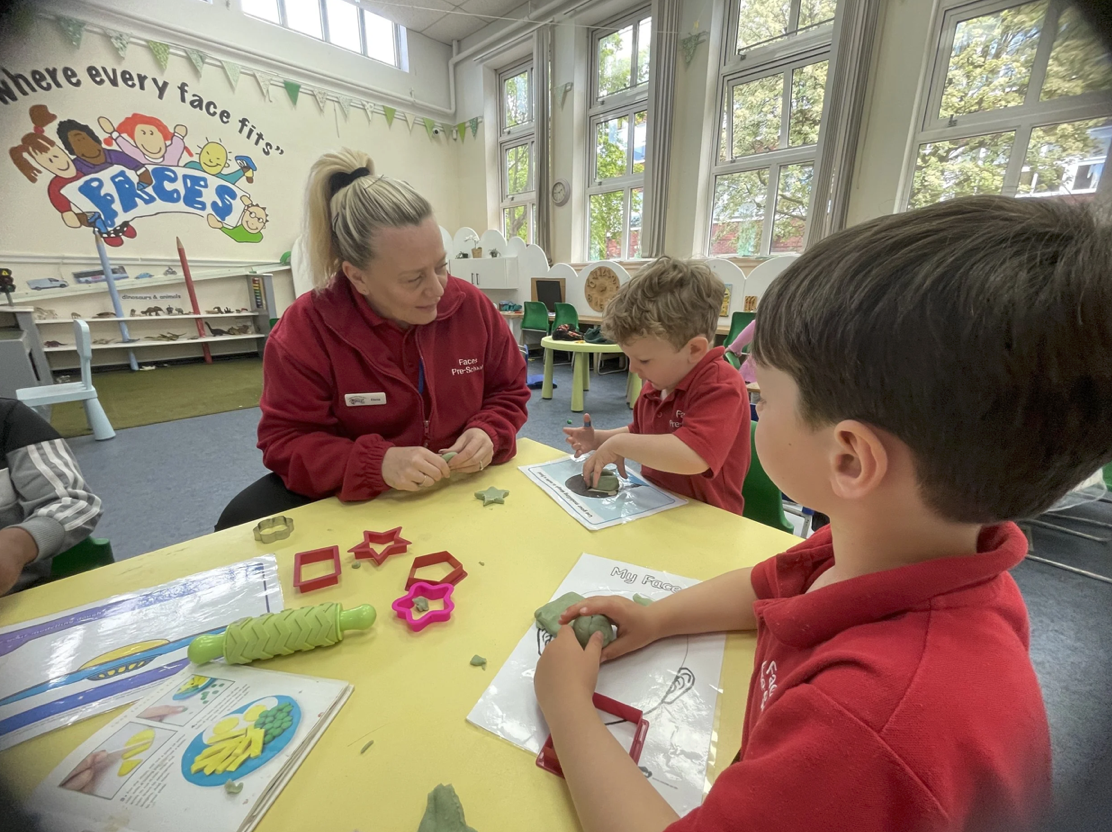
Choosing a preschool is about more than finding a convenient place with an available spot. You’re looking for people you trust, a setting where your child can feel secure, and a daily routine that works for your family.
If you’re comparing nurseries in Brentwood, visiting a few settings and asking the same questions at each can help you see beyond the brochures. Here are ten things worth looking for.
1. A warm welcome and a thoughtful settling-in plan
Notice how staff greet children and families. Do they get down to a child’s level, listen, and respond calmly? A friendly first impression isn’t everything, but it can tell you something about the relationships the team works to build.
Ask how settling-in visits work and whether they can be adapted to your child. Some children are ready to join in quickly; others need more time and a familiar adult nearby. Find out who will be your child’s key person and how staff will keep you updated during the early days.
2. A play-based approach to learning
Preschool should be a place to explore, talk, move, make things and play with others, not simply prepare children for a desk at school. Ask how the setting supports learning through the Early Years Foundation Stage (EYFS), and what a typical day looks like.
Look around for inviting choices: books, pretend play, construction, creative activities and opportunities to be outdoors. Ask how staff follow children’s interests while also helping them build new skills. You can read more about the EYFS framework.
3. Staff who know the children well
Children benefit from caring adults who have time to notice what they enjoy, what they find tricky and how they communicate. Ask about the usual group size, staff-to-child ratios in your child’s room and how the setting provides cover when someone is away or on a break.
It’s useful to distinguish the legal minimum from what you’ll see in practice. Ask how many adults are typically with the group during the session, and how the setting supports continuity if a key person is absent.
4. Safeguarding and everyday care
You should feel comfortable asking how children are kept safe. Find out how the setting manages collection, visitors, allergies, medication, accidents and emergencies. Ask how concerns are recorded and shared with parents.
Also consider the everyday details that matter to your child: toileting support, handwashing, drinking water, rest and food. These routines may seem small, but they make up much of a young child’s day.
5. An Ofsted report you can understand
An Ofsted report is one useful source of information, but it’s a snapshot, not a guarantee of what every day will be like. Read the latest report, check the date and ask the setting what it has done since the inspection.
You can look up inspection information using the official Ofsted report finder. Then use your visit to ask questions about what matters most to your family. Faces Kids Club has held an Ofsted Good rating for over 10 years, alongside serving Brentwood families for more than 20 years. Those are useful parts of the picture, but you should still decide whether the setting feels right for your child.
6. Inclusion that’s part of everyday practice
If your child has additional needs, or you have questions about their development, ask how the setting will work with you. You might want to meet the SENCo and discuss communication, sensory needs, routines, transitions or adjustments to activities.
Look for a willingness to listen and plan with your family, rather than offering a one-size-fits-all answer. Ask how the setting works with other professionals when needed, and how it helps every child take part.
At Faces, inclusion includes a full-time SENCo, a dedicated sensory room and individual One Plans developed with families for children with identified needs. You can read more on the SEND and inclusion page.
7. Indoor and outdoor spaces your child can use
During a visit, look at the rooms from your child’s point of view. Can they reach toys and books? Are there places to play actively and spaces to take a quieter moment? Do staff help children use the space safely and independently?
Ask how often children get outdoor time and what happens in different weather. Outdoor play can offer room for movement, exploration and imaginative games. If your child has mobility, sensory or medical needs, ask how the space and activities can be adapted.
8. A clear, honest funding and fee policy
Before you accept a place, ask for a written breakdown of what’s included and what may cost extra. Confirm which sessions are available, whether funded hours can be used on the days you need, and whether the setting offers a term-time or stretched arrangement.
Eligibility and the way funding is delivered can vary, so check your circumstances with the setting and consult the Essex County Council guide to funded early education. Faces Preschool offers 15- and 30-hour funded places; contact the team to discuss eligibility, availability and how those hours fit your family’s routine.
9. Communication that works for your family
Ask how staff share updates about your child’s day and learning. A quick conversation at pick-up may suit one family, while another may value a digital record they can check later.
At Faces, children’s progress is tracked through EYLog, a secure online learning journal where parents can see observations, photos and next steps. Whatever system a setting uses, it should help you understand what your child is enjoying and where they may need support, not leave you guessing.
10. Hours and location that fit real life
A preschool may look excellent, but it still needs to work with your family’s day. Check the session times, term dates, travel time, drop-off arrangements and what happens if you’re running late. If you need care outside preschool hours, ask whether wraparound childcare is available and whether collection arrangements suit you.
Faces Preschool is for children aged 2–5 and runs from 9am to 3pm during term time. See the preschool page for details, then contact the team to check current availability and discuss how the sessions might work for you.
Take a simple checklist to your visits
After each visit, write down what you noticed while it’s still fresh. You might score the welcome, staff continuity, learning, inclusion, safety, communication, fees and practical fit from one to five. Add one thing you liked and one question you still have.
The best preschool in Brentwood for your family isn’t necessarily the one with the most impressive brochure. It’s the one where your child is welcomed, supported and able to take part, and where you feel comfortable asking questions.
If you’re considering Faces Kids Club, you’re welcome to get in touch to arrange a visit. We can show you around and talk honestly about your child’s needs, the sessions and availability.
